The Hallmarks of Cancer – a Celebration of the 2026 Edition
Introduction: The History of “The Hallmarks of Cancer”
Cancer researchers around the world are familiar with the landmark publication “The Hallmarks of Cancer,” initially set out by Hanahan and Weinberg (2000) as six biological capabilities acquired during the development of human cancer. These steps became an organizing framework to map what is an immensely complex progression of disease. Ultimately, cancer cells are cells that have become dysregulated in their normal cell cycle – to grow, divide, and die – and the authors’ list of cancer hallmarks took into consideration both what triggers this disruption (i.e., acquired capabilities) and events that constitute a removal of barriers to cancer development (i.e., loss of normal control mechanisms).
The cancer research community’s celebration of “The Hallmarks of Cancer,” combined with the emergence of new scientific insights, led to additional iterations of this list, with new hallmarks being added to the foundational list rather than replacing existing hallmarks. In 2011, “Hallmarks of Cancer: The Next Generation” proposed two new hallmarks – abnormal metabolic pathways and the evasion of the immune system. This work also began to solidify an important distinction between two categories of hallmarks: acquired functional capabilities and "enabling" phenotypic characteristics, which facilitate the acquisition of hallmark capabilities. The new enablers introduced in this publication included genome instability and inflammation.
In a roughly 10-year cadence, Douglas Hanahan provided a 2022 update, “Hallmarks of Cancer: New Dimensions,” in which a group of emerging hallmarks is proposed, with the newer fields of epigenetics and a focus on the microbiome coming into play, as well as newly proposed enablers including phenotypic plasticity and cellular senescence.
Hallmarks of Cancer 2026: New Dimensions Expand the Framework
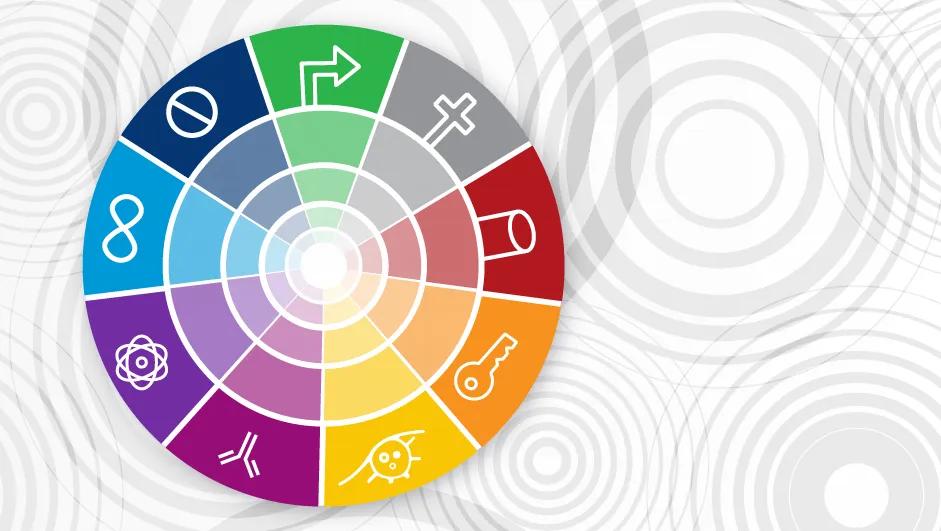
With the start of 2026, “Hallmarks of Cancer – Then and Now, and Beyond” has arrived and is exciting cancer biologists worldwide! In this latest iteration, Hanahan proposes to meld the old and the new – effectively combining the established nine Hallmarks of Cancer and their enabling phenotypic components with two new critical aspects of cancer development, presented in four dimensions:
The Hallmarks of Cancer – aberrantly acquired functional capabilities
Hallmark-enabling phenotypic characteristics
Normal heterotypic cells that contribute to acquisition of hallmarks, typically in the tumor microenvironment
Systemic interactions within the body in which cancer arises
With this expanded framework in mind, read on to walk through each hallmark, from the original six to the final three, and explore the JAX mouse models and services available to study them.
The Hallmarks: Key Targets and Models
Sustaining Proliferative Signaling
Sustained proliferative signaling is considered one of the most basic acquired capabilities of cancer cells, most often arising from activating mutations in genes that drive chronic cell proliferation. There are close to 200 such genetic mutations (oncogenes) that have been identified and organized into the COSMIC database (Catalog of Somatic Mutations in Cancer), with subsets that have recently become the focus of development for potential therapeutics.
The RAS Family of GTPases (KRAS, HRAS, and NRAS) are cell membrane proteins that act as molecular switches in cell signaling, toggling between active (GTP-bound) and inactive (GDP-bound) states to control cell growth and survival. Through their genetic point mutations, these proteins are among the most associated contributors to a wide range of cancer types, including adenocarcinoma, colorectal cancer, and lung cancer. The JAX KPC:APC, KrasLSL-G12D inducible mouse model of KRAS-mutated colorectal cancer was utilized by Feng et al. (2025) for analysis of potential pan-KRAS inhibitors and their efficacy in KRAS-driven cancers. In a very recent publication, Xu et al. (2026) employed a JAX lung cancer PDX harboring a KRAS G12C mutation for efficacy testing of a treatment to delay the development of drug resistance to sotorasib in patients receiving this lung cancer drug.
Inactivating Growth Suppressors
As a sort of yin and yang to the triggering of cell growth described above, the removal of normal barriers or regulators of the cell cycle can also lead to aberrant proliferation. Normal cells rely on certain proteins that act as gatekeepers of the cell cycle, acting at each of the phases of cell division – G1, S, G2, and M. Genes encoding proteins that keep the cell cycle running normally are characterized as tumor suppressor genes. It follows, then, that factors which inactivate these tumor suppressors remove normal cell cycle checkpoints, and can result in abnormal cell proliferation.
Some of the most well-characterized tumor suppressor genes and proteins include cyclin-dependent kinase inhibitors such as p21, p27, p16INK4a, and P14ARF. Another important target in this category of hallmarks is the TP53 gene, the so-called “Guardian of the Genome” for its role as a key regulator of the cell cycle, DNA repair, and apoptosis, and its association with over 50% of human cancers. The p53 protein acts as an upstream regulator of p21 in what is often called the p53-p21 axis, where negative triggers such as DNA damage can be addressed by p53-induced expression of p21 to halt the cell cycle and allow for either DNA repair or the triggering apoptosis to remove damaged cells. View recently published work by Wang et al. (2025), using a JAX p53 knockout mouse model for analysis of this axis of engagement and its impact on cell cycle arrest in cancer.
Resisting Programmed Cell Death
Who can resist apoptosis? Cancer cells can – and the current types of programmed cell death these cells can evade now include necroptosis, ferroptosis, pyroptosis, and other forms of cell demise. While the mechanisms involved are many and complex, they all serve to ensure cells die in a timely way as part of their life cycle, or as needed in response to cellular or genomic damage. The cascade of multiple signaling proteins that execute and/or gatekeep the sequence of events in apoptotic cell death lends itself to a large group of targets for disruption, resulting in aberrant resistance to timely or necessary elimination.
Anti-apoptotic genes like the classic BCL family are some of the most well-known, studied, and targeted in our search for cancer therapies. JAX has developed a large catalog of mouse models for analysis of Bcl-2 family proteins and apoptosis, from knockouts to transgenic formats that allow inducible/reversible apoptosis, providing ideal conditional mutations for tumor development and treatment analysis.
Establishing Replicative Immortality
Another way of evading the system for cancer cells is their ability to disable what’s called the “mitotic clock” – the progressive shortening of concatenated telomere repeats found at the ends of chromosomes. Every time a cell divides during mitosis, it loses a bit of its telomere length –a built-in countdown to destruction that defines the mitotic age of a cell. When a cell’s time is up, cell cycle arrest and senescence are triggered.
Cancer cells employ the proteins TERT (telomere reverse transcriptase) and TERC (telomerase RNA component) to add telomeres back onto chromosome ends, effectively reversing their fate and rendering them immortal! Researchers often use TERT or TERC knockout models for these studies, including this publication by Akincilar et al. (2025) incorporating both JAX models for analysis of telomerase activity.
Inducing or Accessing Vasculature
Beyond becoming unregulated and overly proliferative, tumor cells need a place to settle – ideally near blood vessels where oxygen and nutrients are readily accessible. In fact, cancer cells need to be in very close proximity! The tumor vascular space becomes a complex, localized system involving secreted signaling molecules, recruitment of supporting cells, and even induction of angiogenesis (formation of new blood vessels from existing ones) in support of growth within the tumor microenvironment.
Cancer cells can promote the creation of this environment through secretion of angiogenic growth factors, e.g., VEGF, calling into action quiescent endothelial cells to generate an entire system of neovasculature and peri-endothelial support cells. This event not only supports cancer cell growth but also contributes to the tumor’s ability to evade T and B cells, which are not as readily able to enter this space or engage due to cancer cell-induced reduction in immune cell adhesion molecules. A range of JAX VEGF models are available, displaying variable levels or genetic knockout of VEGF expression, and are ideal for analysis of vascular development and angiogenesis.
Activating Invasion and Metastasis
This acquired capability is related to the generation of new vasculature discussed above, but with a more serious and negative consequence – the ability of cancer cells to leave the local microenvironment and seek out additional sources of vasculature. Cancer cells do this by utilizing the blood and lymphatic systems to disseminate into other sites and tissues. As a result, this hallmark represents the spread of the tumor and is a primary contributor to cancer morbidity and mortality. As part of this pathway, tumor cells secrete into circulation so-called “premetastatic niche” factors, effectively preparing the way for the arrival of cancer cells at distant sites and enabling spread and survival across a range of tissues.
While the mechanism of genetic mutation(s) driving metastasis is not yet fully defined, certain mutations are emerging as common contributors, including gain-of-function mutations in the previously mentioned tumor suppressor protein p53, which can lead to changes that aid in cell migration, invasion, and formation of distant tumors.
Deregulating Cellular Metabolism
What else could aid and abet expansion and proliferation in this series of events? In addition to the need for oxygen and nutrients, these cells need a good supply of metabolic energy – the same things normal cells require, typically provided by mitochondria, glycolysis, and glucose metabolism. Cancer cells are described as metabolic hybrids within their microenvironment, as they utilize all of these internal energy sources and, in addition, leverage a range of other factors locally secreted in the TME such as lactate, amino acids, cytokines, and other proteins, in a sort of cross-talk with other cells, including fibroblasts, macrophages, and vascular cells. Here, we see the important role of external factors in how tumors develop and progress in the TME, and why this became an additional hallmark in 2011.
Cancer is now recognized as a disease in which metabolic reprogramming is both a key acquired capability and a driver of malignancy and a potential therapeutic target. JAX models of metabolism and preclinical services for metabolic studies are available to support our understanding and insights for this important hallmark.
Evading Immune Destruction
We’ve touched on immune evasion in the context of angiogenesis and the highly vascularized TME that may impair immune cells’ ability to physically interact with cancer cells. Beyond this, there are acquired capabilities that enable tumor cells to actively suppress immune cells. A basic principle of the immune system is that immune cells are only transiently activated – their response is limited in duration as the body's way of mitigating long-term destruction, chronic inflammation, and autoimmunity. In essence, our T cells and natural killer (NK) cells are programmed to play their part and then become downregulated in what is termed “exhaustion.” Cancer cells have exploited this mechanism to their advantage – many cell types within the TME can suppress T cell and NK cell recruitment, creating a sheltered environment for tumor growth. The mechanisms underlying this suppression are still being defined, but therapeutic approaches targeting the factors involved in T cell exhaustion are beginning to emerge.
One such target is the transcription factor TOX (Thymocyte Selection-Associated High Mobility Group Box Protein), which is a master regulator of T cell exhaustion through both transcriptional and epigenetic mechanisms, working alongside known cancer therapeutic target proteins PD-1 and CTLA-4. For a recent review of T cell exhaustion in the context of these protein targets, see Nouri et al. (2026). JAX also provides a catalog of models that display humanized and knockout strains for analysis of PD-1 and CTLA-4.
Unlocking Phenotypic Plasticity
The “final” (for now) single hallmark added in Hanahan’s 2022 publication came about because of innovative new methodologies available for single-cell analysis. We are now able to look at individual cells’ genotype, phenotype, and epigenetic states, and as a result we’re beginning to identify a range of different cell states that can exist within a single tumor. Why is this important? Historically, the view of cancer was more simplistic, i.e., the triggering of a single cell to divide and proliferate into a tumor consisting of a somewhat heterogeneous mass of similar cells.
What makes this hallmark fascinating is the concept of phenotypic "plasticity" – the ability of tumor cells to transform to a cancerous state, de-differentiate back into progenitor-like states, and move back and forth between these states, resulting in many distinct cell classes within a single tumor. Beyond this, cancer cells can also exhibit "trans-lineage" plasticity, being reprogrammed into cell types entirely outside their developmental lineage. Together, these findings underscore the incredible value of new research methods and platforms, delivering insights and targets that will accelerate our search for better approaches to combat cancer.
JAX humanized mouse models are part of this solution, providing innovative platforms to study the tumor microenvironment and immune cell engagement. With the incorporation of human PDX, these model systems are particularly well suited for detailed evaluation of how the immune system regulates tumor progression and plasticity. Learn more about these models here.
Final Thoughts on The Hallmarks of Cancer
This article is offered in recognition of the many years of excellent work poured into the pages of Hanahan and Weinberg’s works and the significance of their contribution to life science research. While it is beyond the scope of this article to dive deeper into each of the nine hallmarks of cancer, or into the new dimensions described in the 2026 publication, this overview is intended to provide a framework and point of familiarity for those new to cancer research or to this series, and to leave the page open for the next edition in this excellent series.