Understanding Passage Limits and iPSC Cell Line Consistency
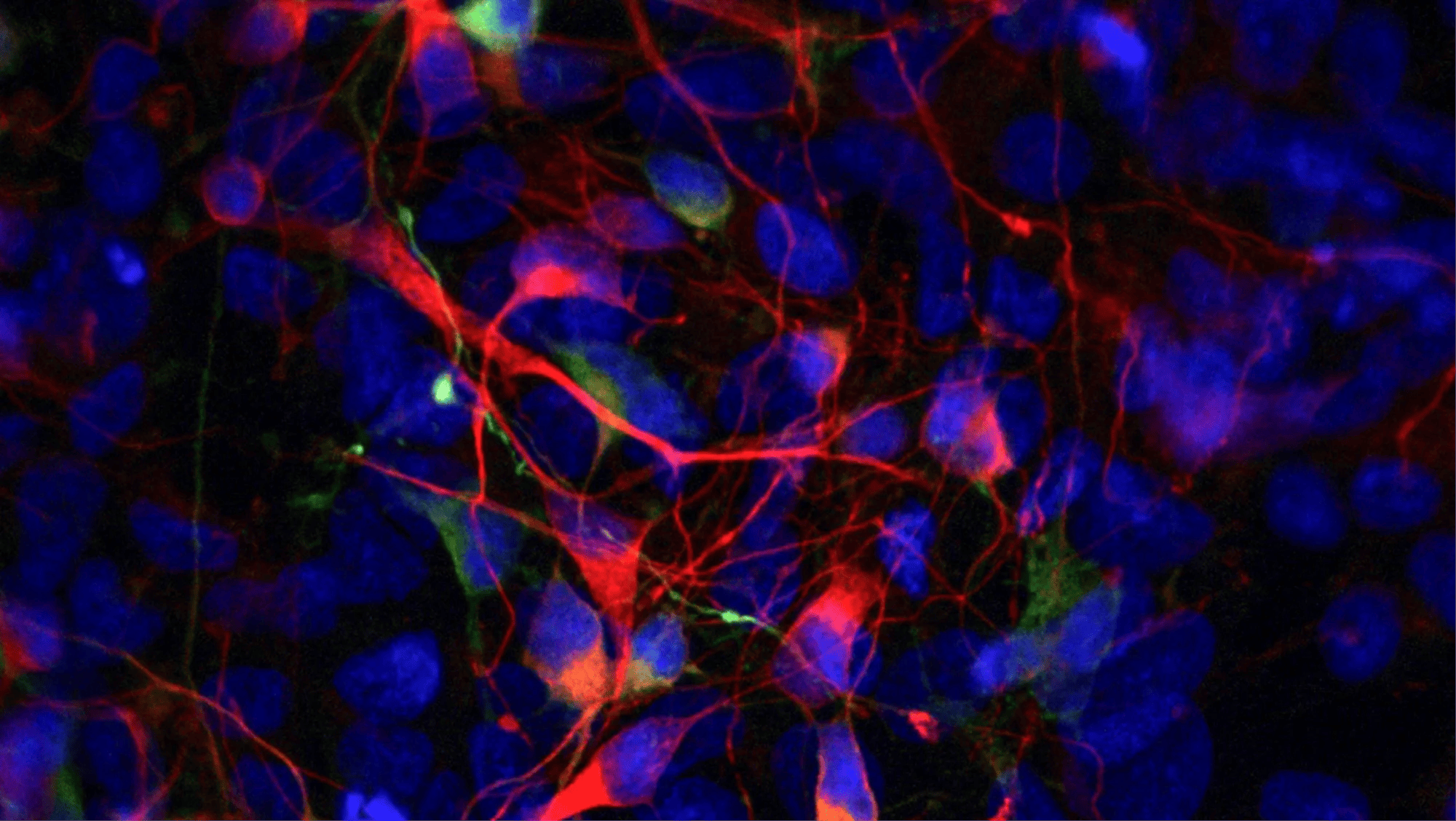
How many times can an iPSC cell line be split and expanded?
While iPSCs can be expanded in culture, extended passaging can introduce changes that affect the reliability and reproducibility of downstream experiments. For commercially available quality-controlled iPSC lines, repurchasing fresh material ensures that researchers work from a defined, validated starting population.
iPSCs are self-renewing however that does not mean unlimited expansion is possible without biological consequences.
Every passage involves cell division and exposure to culture conditions that can influence the cell population. Over time, cultures can acquire genetic or epigenetic changes resulting in altered growth characteristics, or population shifts. Therefore, iPSC lines can be extended for a few passages, but if extended indefinitely, they will not remain equivalent to the original characterized material.
For recommendations on guidelines for stem cell passaging, check the International Society for Stem Cell Research (ISSCR) for reporting and culture standards.
What can happen when iPSCs are expanded for many passages?
Not every additional passage will necessarily cause a problem. The risk for changes in the population increases with extended culture and passage history is an important variable to control in research models.
With extended passages, iPSCs have increased potential for:
Genetic changes – chromosomal abnormalities or other genomic/epigenomic alterations can emerge during prolonged culture.
Clonal selection – cells with a growth advantage may become enriched over time, changing the composition of the population.
Phenotypic drift – morphology, growth rate, pluripotency characteristics, and differentiation behavior can become different from the original material.
Reduced experimental consistency – cells at substantially different passage numbers or histories may cause the cells themselves to not behave identically.
Why does passage number matter for reproducibility?
Two experiments using the same iPSC line but from substantially different culture histories or passage number may not be biologically equivalent. A defined starting material helps reduce variability between experiments, users, and studies.
It is important to consider in iPSC passage history:
Starting passage
Passage number at differentiation
Culture duration
Expansion conditions
Freeze down condition history
Culture medium and matrix
Genetic background
How can JAX help researchers ensure a consistent supply of iPSCs?
Cell banking strategy is very important. A well-characterized bank allows researchers to return to a relatively consistent starting population rather than continuously expanding cells from an increasingly distant passage. In cell banking strategy, it is important to be sure of master cell banks, working cell banks, defined starting material, and measures to follow for lot-to-lot consistency. For a reliable and consistent supply of iPSCs, choose JAX cell models produced from rigorously characterized cell banks and supported by comprehensive quality control. Explore the catalog to search by disease, gene, variant, genotype or product code and view product details.
What is different from researcher-expanded stock and supplier-qualified material?
An internally expanded stock has a higher passage number, differing culture conditions, multiple laboratory handling, and potentially different genomic or phenotypic characteristics. Quality-controlled banked iPSC material from a supplier such as The Jackson Laboratory by contrast provides a defined and controlled starting point consistent from lot-to-lot.
Fresh, defined starting material has controlled passage history and quality control to be more consistent in research experiments. This is especially important when multiple researchers are using the same model; experiments are conducted across different laboratories, when studies extend over months or years, and results need to be reproduced or compared across experiments.
What quality control characteristics should be considered for iPSC lines?
QC checkpoints include:
Identity – the expected cell line identity is confirmed by appropriate measures
Pluripotency – assess appropriate pluripotency markers
Genomic integrity – monitor for chromosomal abnormalities and other relevant genomic changes
Mycoplasma – confirm cultures are free from mycoplasma contamination
Morphology and growth – monitor changes in growth characteristics and cell morphology
Differentiation performance – where relevant, establish that the cells retain the expected ability to differentiate into the desired cell type
Does every passage introduce changes in iPSC model lines?
No, passage itself is not inherently damaging to an iPSC line. iPSCs are routinely expanded in culture. The concern is extended culture and accumulated passage history, particularly when cells are maintained without monitoring and quality control checkpoints. The appropriate passage range depends on the cell line, culture system, application, and supplier’s recommendations.
It is important for the iPSC line to reflect the genetic background or disease-associated variant being studied rather than unintended differences introduced during prolonged culture. The more important the phenotype, the more important it is to control the starting population.
Start with a defined, quality-controlled iPSC model that you can rely on
iPSCs can self-renew, but that doesn’t mean cultures should be continuously expanded. Minimize extended culture history and maintain defined cell banks to reduce sources of variability to improve reproducibility of disease modeling, and differentiation or screening studies by starting with a defined, quality-controlled iPSC line that can be repurchased.
Explore JAX human iPSC cell models and donor-derived lines to support reproducible disease modeling and downstream research.